Chemical Residues: EPA Tolerances & Aflatoxin Limits
The United States enforces strict chemical safety thresholds, including:
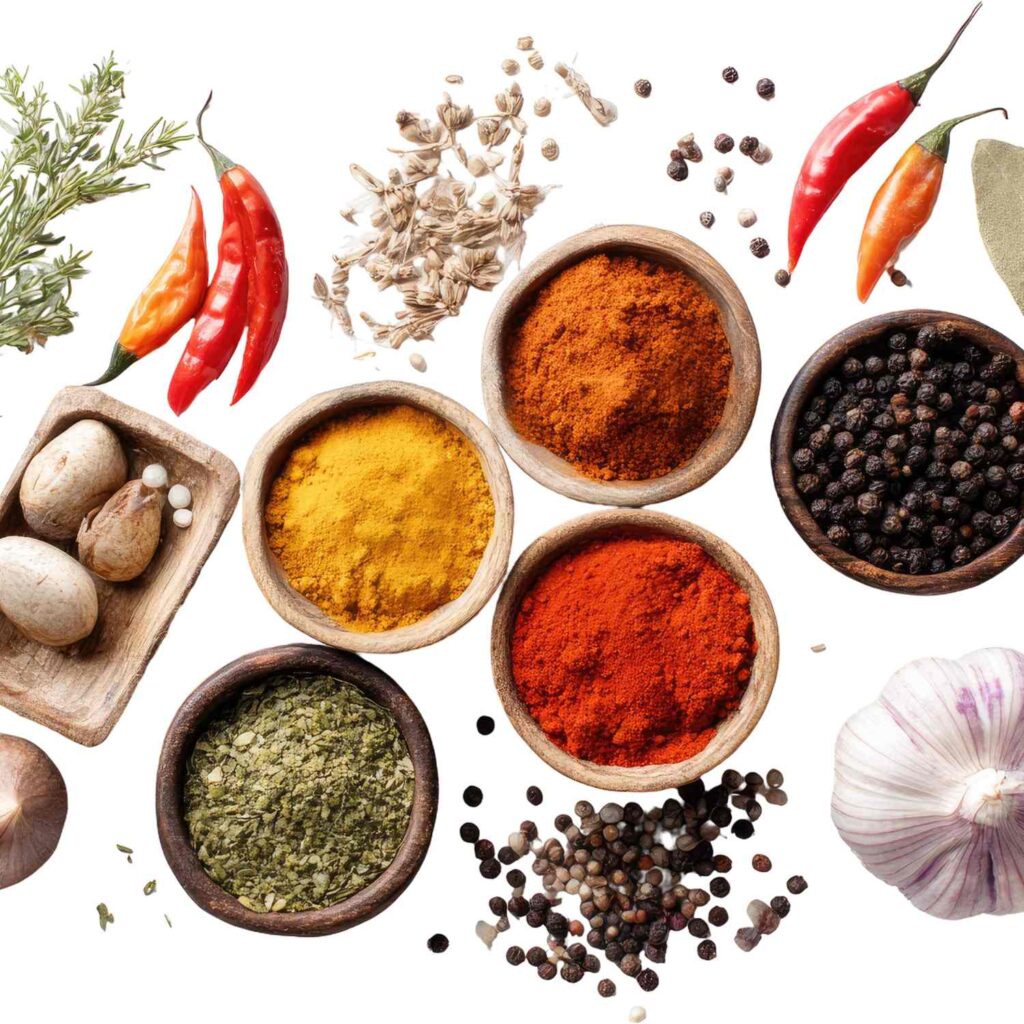
Aflatoxin contamination is particularly relevant for chili, nutmeg, turmeric, and other susceptible spices. Exceeding limits can trigger import refusal and long-term regulatory scrutiny.
We assist in:
- Pre-shipment laboratory documentation review
- Supplier verification procedures
- Residue testing documentation management
- Compliance with EPA pesticide tolerances
Adulteration Prevention & Quality Integrity
Spice adulteration remains a global concern, including:
- Artificial coloring
- Foreign matter contamination
- “Water-doping” to increase weight
- Excess moisture leading to mold growth
Example:
Black pepper moisture must typically remain ≤ 12% to prevent microbial growth and fraud risk.
FDA actively monitors economically motivated adulteration (EMA). Failure to implement preventive controls may lead to warning letters or import alerts.
We support development of documented adulteration prevention controls under FSMA’s preventive framework.
FDA Food Facility Registration
All foreign food facilities manufacturing, processing, packing, or holding food for U.S. consumption must register with the FDA.
Requirements include:
- Active FDA Food Facility Registration
- Unique Facility Identifier (UFI) — typically a DUNS number
- Biennial renewal (every even-numbered year between October 1 and December 31)
Failure to maintain active registration results in automatic shipment refusal.
We manage:
- Initial registration
- Biennial renewals
- Registration updates
- Compliance verification audits
U.S. Agent Representation (Mandatory for Foreign Facilities)
Every foreign facility must designate a U.S.-based Agent who is physically present in the United States and available to serve as a 24/7 liaison with the FDA.
Your U.S. Agent is responsible for:
- Receiving FDA communications
- Responding to inspection notices
- Coordinating regulatory correspondence
- Supporting during detention or import alerts
FDA Consults provides professional U.S. Agent representation with rapid response support.
FSMA Preventive Controls for Human Food (PCHF)
Under the Food Safety Modernization Act (FSMA), spice facilities must implement:
- Hazard Analysis
- Risk-Based Preventive Controls
- Monitoring procedures
- Corrective actions
- Supply chain controls
- Recall plans
Spice drying, grinding, blending, and packaging operations must be supported by documented preventive controls.
We provide:
-
- Hazard Analysis and Critical Control Point (HACCP) alignment
- Preventive Controls Qualified Individual (PCQI)-guided documentation
- Food Safety Plan development
- Corrective action procedure development
- Audit readiness preparation
Foreign Supplier Verification Program (FSVP)
Under FSMA, U.S. importers must verify that foreign suppliers meet U.S. safety standards.
Your importer will require:
- Hazard analysis documentation
- Preventive control verification
- Laboratory testing records
- Supplier approval documentation
We support both exporters and U.S. importers in meeting FSVP requirements to ensure uninterrupted shipments.
Prior Notice Filing
Every spice shipment entering the United States must have FDA Prior Notice filed before arrival.
Failure to file correctly results in:
- Port delays
- Shipment refusal
- Possible storage fees
We coordinate Prior Notice filings with your freight forwarder to prevent delays.