

Spice Safety & FSMA Compliance Guide for Exporters
The Food Safety Modernization Act (FSMA) represents the most significant reform of U.S. food safety regulations in decades. Unlike previous systems that focused primarily on responding to contamination after it occurred, FSMA emphasizes prevention, risk management, and accountability throughout the supply chain. For spice and botanical exporters, understanding and implementing FSMA requirements is essential for uninterrupted access to the U.S. market.
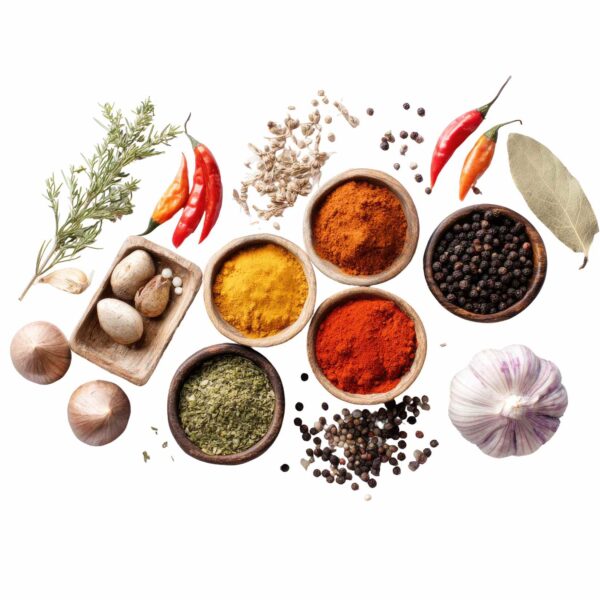
Under FSMA, spice manufacturers are required to adopt a Hazard Analysis and Risk-Based Preventive Controls (HARPC) approach. This means identifying potential biological, chemical, and physical hazards at every stage of production and implementing documented controls to prevent contamination before it occurs.
Key Safety Risks in Spice Production
Spices are naturally exposed to environmental risks during cultivation, drying, and processing. Common hazards include:
- Microbial contamination, particularly Salmonella
- Mycotoxins such as aflatoxins
- Pesticide residues
- Foreign matter and adulterants
- Excess moisture leading to mold growth
Because spices are often consumed without further cooking, the FDA considers them high-risk products and applies enhanced inspection and monitoring protocols.
Preventive Controls Under FSMA
FSMA requires spice facilities to implement and document the following preventive measures:
Process Controls
Validated heat treatment, steam sterilization, or irradiation to reduce microbial risks.
Sanitation Controls
Routine cleaning and sanitation of equipment, drying surfaces, and storage facilities.
Supply Chain Controls
Verification that raw material suppliers follow safe agricultural and handling practices.
Allergen Controls
Where applicable, prevention of cross-contact with allergenic ingredients.
Recall Plan
Written procedures for rapid product removal if safety issues are identified.
These controls must be monitored, verified, and reviewed regularly to remain compliant.
Food Safety Plan Requirements
Each registered spice facility must maintain a written Food Safety Plan prepared by a Preventive Controls Qualified Individual (PCQI). This plan includes:
- Hazard analysis
- Preventive control procedures
- Monitoring records
- Corrective action protocols
- Verification activities
- Recall strategy
Failure to maintain an up-to-date Food Safety Plan may result in regulatory action, shipment delays, or import refusal.
Importer Verification Under FSVP
FSMA also places responsibility on U.S. importers through the Foreign Supplier Verification Program (FSVP). Importers must confirm that foreign suppliers meet U.S. safety standards. As a result, exporters must provide reliable documentation, testing records, and compliance evidence to maintain commercial relationships.
Building Long-Term Regulatory Confidence
Consistent FSMA compliance demonstrates professionalism, reliability, and commitment to food safety. Exporters with strong preventive systems benefit from:
- Faster customs clearance
- Reduced inspection frequency
- Lower risk of import alerts
- Stronger importer partnerships
At FDA Consults, we help spice exporters design, implement, and maintain FSMA-aligned safety systems that meet U.S. regulatory expectations and support sustainable global trade.